Sunday, December 13, 2020

Yellowstone National Park September 2020 Grizzly boar with elk


We left the northern part of the park and headed to the Canyon area for a couple of nights. We had heard of a big boar Grizzly who had killed an injured bull elk and was still on the banks of the Yellowstone River with the kill. In nature, you have to be accepting of the fact that animals kill and eat other animals, especially when they are trying to store up calories for hibernation. It's part of the circle of life. If you're okay with that, read on. 

This Grizzly, known as bear #791, had chased down the elk and caught and killed it in the river and then dragged it to the riverbank to feed.  He actually stayed on the kill, protecting it from other predators for about 5 days. We arrived on the day after the event and we could see that the bear had partially buried the elk in dirt from the riverbank, presumably to keep the smell from attracting other predators and to preserve the meat. There were a lot of people with us on the opposite riverbank (next to the road) and a steady stream of cars slowly driving by. Since this road is part of the route from the south entrance to the center of the park, it's quite a busy road under normal circumstances. The addition of a huge grizzly fairly close to the road was the cause of a major traffic slowdown. The rangers did a good job of keeping traffic moving and also kept a pedestrian-free area of riverbank open in case the bear came across the river. 

The bear didn't seem too phased by all the attention. He slept most of the time just getting up occasionally to sit in the river and then uncovering parts of the elk to feed on. A couple of coyotes showed up at one point but they took one look at the huge bear and decide to just keep moving along. The ravens were not as intimidated by the bear and kept trying to get close enough to steal a bite. 

We stopped by a few times over the next two days just to see if there was any more activity, but things were pretty much the same - sleep, bathe in the river, eat elk, etc. I heard that some of the Wapiti wolf pack had come around a couple of days later but couldn't take the carcass from the bear. That would change on about day 7 when it was reported that #791 had left the carcass and when he returned another big grizzly had taken it (#881). They had a brief confrontation but #791 was defeated. 

It was a rare opportunity to see something like this up close without having to trek into the high country and without danger to ourselves. We felt very fortunate to have been there at the right time. 


Yellowstone National Park. September 2020 Bison, Wolves, Black Bears


wolves- very far away

We woke up long before sunrise in order to reach the Lamar Valley area to set up our scope in time to catch the wolves at their most active time. We followed a ranger's advice and just looked for all the other people on the hillside with scopes, and set up ours too. We watched and waited, scanning the area near the treeline across the valley. It wasn't long before we saw them! The Junction Butte pack has 20 puppies this year and we were able to watch all the puppies as several adults would come and go, checking on them and sometimes bringing food. Even though the puppies are pretty big at this point, you could tell them apart from the adults by their wagging tails and submissive stance around the adults. What a great morning!

That afternoon we drove back across the Lamar Valley and we saw hundreds of bison! Big herds of them were all over the place, including the road. It's pretty common for traffic to come to a stop because of bison in the road, we even saw a big group come onto the road and cross a bridge to reach the other side. They have absolutely no fear of cars or people. We liked to sit and watch them. They make the weirdest sound, sort of a cross between a grunt and a burp. Some of them had birds on their backs that peck off insects and things, sort of helpful hitchhikers of the animal kingdom. We saw quite a few young red bison, the little bison are red when they're born and then turn brown as they get older. I hope they are not too young to survive the upcoming winter. Yellowstone had it's first snowfall on Labor Day (the first Monday in September), so they get quite a bit of snow and cold weather in the winter.

Farther down the road we saw a lot of cars stopped by another bridge and found out that a couple of black bears had been spotted. We were on the opposite side of the river so we could clearly see the bears on the hillside. While we were watching the bears on the opposite bank, we looked down to see another black bear crossing directly underneath the area where we were standing. Apparently he wanted no part of the hubbub on the other side of the river and was taking a trail that led up a hill in the opposite direction. Smart bear! There was one exciting moment when the black bears on the opposite bank decided to cross the road and all the people on that side of the bridge scattered like crazy. 

We had a great day and saw tons of animals, including the elusive wolves we had hoped to see. 

Saturday, December 12, 2020

Yellowstone National Park September 2020 ""Geyser Day" and first Grizzly sighting

Today's plan: see as many geysers, fumaroles, thermal pools and mud pots as we possibly can. I know that some people will sit and watch a geyser for hours, hoping it will go off while they are sitting there, but we had limited time and a lot to see. We got a very early start and were nearly to Old Faithful area as the sky was beginning to turn light. We stopped on the way because the sun coming up was very red due to the wildfire smoke in the area, so it made for a very cool photo. We also had to stop for a group of bison that decided to cross the road in front of us. These beasts are huge, by the way, and unpredictable. I stayed in the car and was satisfied with taking photos standing up in the sunroof! 

The morning was cool so the steam vents all over the valley were really visible and made the whole area look other-worldly. When we arrived at Old Faithful it wasn't due to erupt yet, so we took a stroll around the geyser field while we waited. None of them were going off, but it was interesting to look into the different thermal pools around the area. It was also interesting to see bison in the geyser fields, apparently they hang out there because it's warm. We eventually settled down on the benches and it wasn't too much longer before Old Faithful erupted. It went on for quite a bit longer than I thought it might, I expected just 10 seconds or so, but it went on for a good minute or more. A man behind complained "that's it?!" as though he was expecting some big explosion or something. 

We then visited the Artist Paint Pots area which has some cool mud pots. Many of these areas are quite stinky by the way, smelling of hydrogen sulfide gas. We took the short hike up to the Grand Prismatic Spring overlook. It really shows the vibrant colors of the water contrasted with the bright orange ring of heat-adapted bacteria that live on the edges. Next up was Mammoth Hot Springs where the cooling thermal waters form travertine terraces on the hillside. I love the different colors and shapes here. There's an easy boardwalk trail here as well. 

We headed to Gardner, just outside the north park entrance to pick up a spotting scope I had rented. Our plan was to try to see wolves and grizzles the next day in Lamar Valley. The wolves stay pretty far away from the road so a spotting scope is really necessary to see them well. 

We decided to give the scope a trial run and go to Tom Miner's where I had read you could sometimes find grizzlies outside the park. Were packed up the scope and camera and took off.

First Grizzly encounter of the trip did not go as planned! We were driving along a gravel road heading toward the ranch where people say you might see grizzlies if you're patient and lucky, when we came up alongside a small access road and there was a mama grizzly with two cubs just about twenty feet away from us! I think she was as shocked as we were cuz she stood up on her hind feet to look at us before disappearing into the brush with her cubs. We were so surprised that we never even had a chance to pull out a camera or phone or anything! 


Grand Prismatic Spring

Wolf at sanctuary


Yellowstone National Park. September 2020 We arrived!

 We left home and drove through the Tahoe area and across Nevada, turning north at Wells and spending our first night in Twin Falls, Idaho. The next morning we went to the local Walmart and bought fresh fruit and deli items to add to the groceries we brought from home. Our next stop was West Yellowstone where we would spend one night.   

We made it to West Yellowstone in the early afternoon and decided to visit the Grizzly and Wolf Discovery Center that happened to be right across the street from our hotel. This center is a sanctuary for grizzly bears who have become habituated to people (used to eating people's garbage) and couldn't be successfully relocated. It's a bit sad to see them even though they're taken care of very well, but it's certainly better than the bears having to be destroyed.  Most of the wolves at the center seemed to have been orphaned as cubs. I learned something I didn't know: wolves turn white as they age, even black wolves! I don't mean just their muzzle either, all their coat turns white. 

After the grizzlies and wolves we decided to drive over to the park entrance gate and buy my America the Beautiful Lifetime Senior Access pass. Now I have to say that I had mixed feelings about qualifying for this pass (you have to be 62), but the price of $80 for free access to ALL national parks and forests for the rest of your life is a screaming deal! We visited two parks on this trip so it almost paid for itself already!

After we bought the pass, we decided to drive into the park a little ways since there weren't a lot of cars at the gate. As we were driving along the Madison River, we stopped because there was a big bull elk with a large harem of female elk in the field. I took some photos and then we stopped again because a female was grazing on the opposite riverbank and there was a bald eagle in one of the trees. We had barely been on the park 15 minutes at this point. We passed another large group of elk and then saw a lone bison lying in a field with the river and mountains illuminated by the sunlight behind them.  So that was an awesome first afternoon, so much wildlife in just a short time. 

Next day's plan: Geyser day!


Yellowstone National Park September 2020 Decisions and Plans

Our planned trip to Europe was cancelled due to COVID virus and once restrictions were lifted a bit, we started talking about taking some day trips. Maybe heading to the central California coast or to Yosemite National Park which is about 4 hours drive from our home. Mike brought up the idea of Yellowstone one night and I was immediately on board. Neither of us had ever been although it's just a 13 hour drive from where we live (that's not overly long by California standards). 

Normally I like to spend a good 6 months or so researching what to see and do in a particular place, but there was no time for that this trip. So I jumped on Tripadvisor and immediately began scrolling through the travel forum for Yellowstone, bought a Kindle guide and found a helpful Facebook page as well. We decided to visit Grand Teton National Park as well.

Hotel rooms were in short supply due to COVID, but I managed to book rooms in different areas in and around the park which worked out great. Yellowstone is so huge, you really should shift bases at least once to avoid a bunch of driving. A lot of the dining options in the park were closed or exclusively takeout so we brought along a cooler, our camp chairs and a small folding table so we could make our own breakfast and lunch and to have greater flexibility over our timetable each day. This actually worked out very well for us, because we got a pretty early start most days. 

So with a basic plan and some park maps we were on our way!


Travel and COVID - my thoughts

What a year 2020 has been - everyone around the world has had their lives disrupted by the COVID-19 virus. My condolences to those who have lost loved ones due to the virus, and I encourage those who are depressed or just plain weary to find support to help you through these times. Whether it's family, friends (FaceTime and Zoom chats) or a professional counselor, please form a support group for yourself. The worst thing you can do is to shut yourself off completely from other people. 

I work in the medical field and I can tell you we are quite weary, especially as we come closer to the one year mark. Hopefully the new vaccines will have long-lasting effects and we can return to our pre-COVID lives and routines with a greater appreciation for life. 

I started a travel blog because I love to travel, I look forward to seeing new places and experiencing different cultures. My life has definitely been enriched by our experiences. My husband and I love our time away as a time to decompress from the stress of our jobs, to relax, have fun, and reconnect with each other. I remain hopeful that we will be able to travel again, perhaps in 2022 if not 2021.

Tuesday, January 7, 2020

Washington DC/Virginia Mount Vernon/Washington's Distillery Oct 2019

Mount Vernon is President George Washington's home on the banks of the Potomac River in Virginia.
It's a pretty setting, assured to remain that way because the land on the opposite bank has been set aside as a protected nature area. The estate is about 500 acres and you can tour the house as well as several outbuildings and even see the President's final resting place.

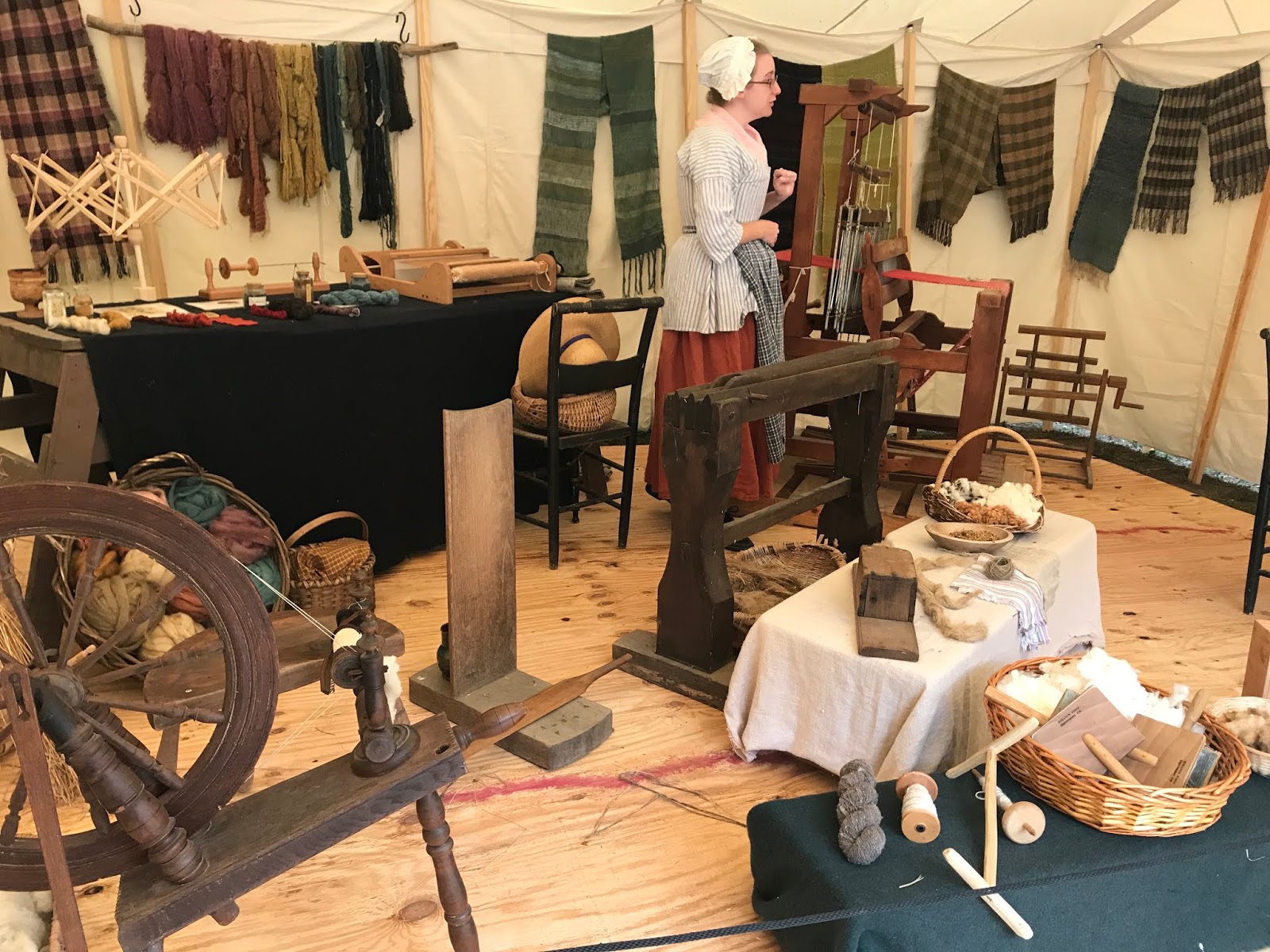
We had a timed ticket for the house tour so we spent a hour or two looking around the grounds first.  We walked down to the dock and also checked out the farm area which had docents in period clothing describing the everyday tasks on the farm. There were ladies cooking a traditional farm worker meal and a young lady who described how they made cloth from the wool and flax that were grown there. There was an innovative round barn where the wheat kernels were separated from the chaff by the vibration of horses' hooves on the wooden upper floor of the barn which caused only the finest kernels to drop through the floorboards to the lower floor of the barn where they were collected.
Washington was always experimenting with better ways to grow crops and different soil amendments. He adapted farm implements to better achieve those goals too. He was quite an innovative thinker.  You can also see the horse and carriage stables and the kitchen building. Kitchens were always built in a separate building to lessen the chance of house fires.

The house tour was interesting and even though the house was huge by colonial standards, the rooms are fairly small compared to rooms today. We saw several rooms including the dining room, Washington's office,  and the bedroom where Washington died. There is also a key from the French Bastille, a gift to the President from the Marquis de Lafayette following the French Revolution.
George Washington died of epiglottis, a condition easily cured by the antibiotics of today.

The  porch of the house looks out over the river and there are chairs there to sit and enjoy the view.  We even saw a pair of Bald Eagles by the river as we were standing on the porch looking out! How cool is that?

We went back to the visitor center and looked at the museum there, then had some lunch in the cafe.
After that, we took the free shuttle bus to George Washington's gristmill and distillery.

President Washington switched from growing tobacco to growing large amounts of wheat due to the British taxation of tobacco imported from the U.S. The wheat from Mount Vernon was very fine and Washington could get a good price for it and it wasn't subject to the same taxation as tobacco. So he built a gristmill on a stream and ground his own floor as well as flour from neighboring farms. You can go in the gristmill and see the big grinding stones and the water wheel too.

Washington's farm manager was a young Scotsman who convinced him to build a distillery. They had all this fine grain, why not make whiskey?  So they made whiskey from the grain and Washington actually made more money from the sale of whiskey than any of his other crops. The distillery still makes 1,000 gallons of whiskey twice a year, using the original recipe - you can buy it in the gift shop.
                                          the round barn
                                          the mansion and back porch
                                               the big water wheel at the gristmill
                                          The wooden gears at the gristmill
                       
                                         Still and barrels at the distillery
  the front of the mansion (with scaffolding for painters)  
                                         Distillery exterior

                                         Gristmill exterior
                                   View of the Potomac from the back porch